

2026 Trend Prediction: The Rise of the SS26 Yuppie
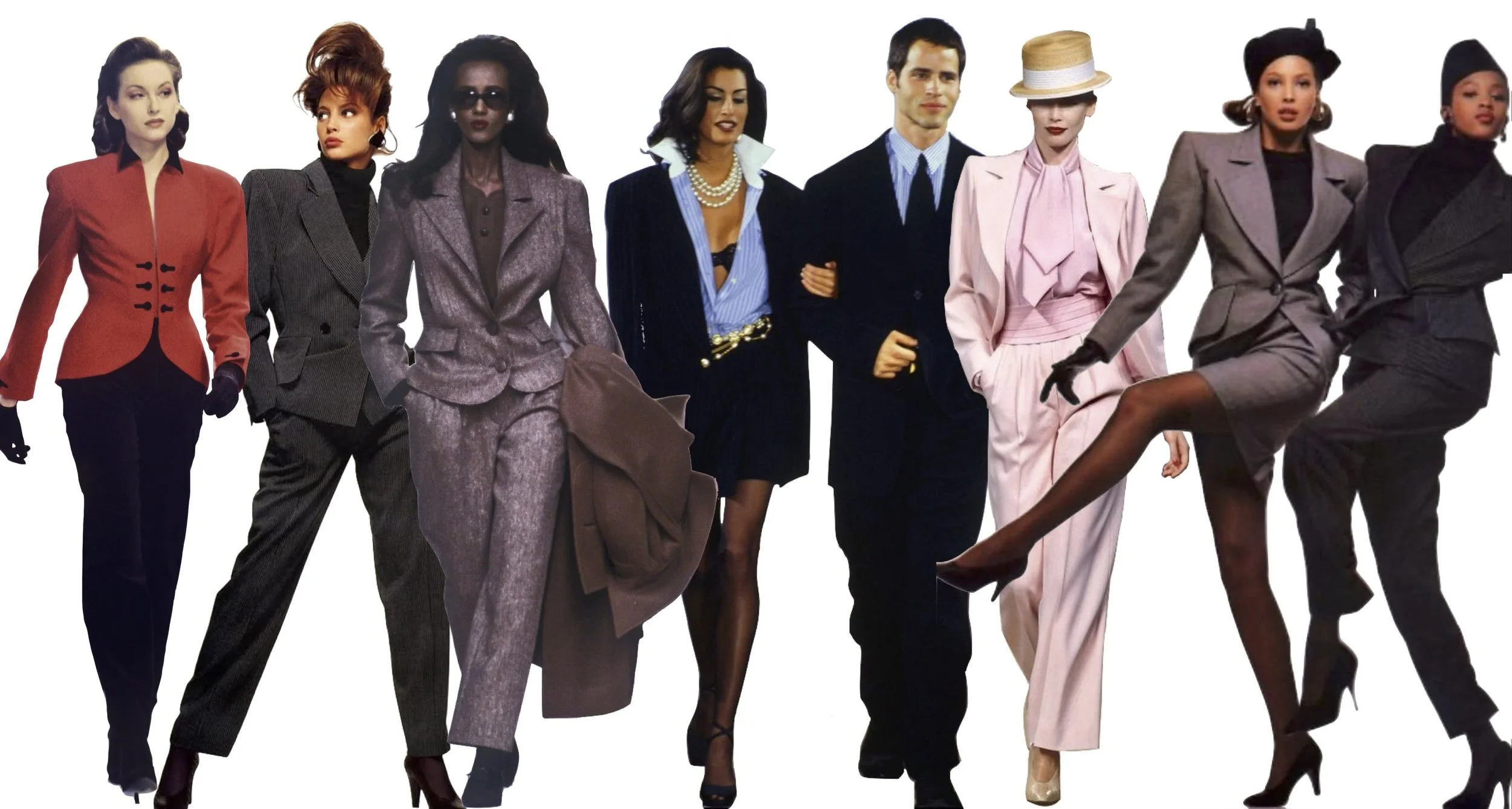
Pictures from left to right: Thierry Mugler F/W 1993, Christy Turlington in Yves Saint Laurent 1980s, Iman for Valentino 1989, Yasmeen Ghauri for Donna Karan S/S 1992, Claudia Schiffer for Yves Saint Laurent S/S 1997, & Christy Turlington/ Naomi Campbell in "La Mode C'est Ca!" feature for Vogue Paris in August 1987.
The New Executive Mandate: Why the Yuppie is SS26’s Ultimate Muse
In its original 1980s heyday, the "yuppie" was a polarizing figure—a flash of upwardly mobile ambition that defined the urban landscape before the market crash of ’87. Fast forward to the Spring/Summer 2026 runways, and the Young Urban Professional is back, though she has traded corporate conformity for high-fashion dominance. This season, the look isn't just about a job title; it’s about "Corporate Fetishism," a deliberate reclamation of professional attire as a powerful, provocative fashion statement. We are seeing a shift away from the "casual undoneness" of previous years toward a certain overtness—a quest for perfection that favors sharp, sculpted power shoulders and pinstriped wools over frayed edges and quiet luxury.
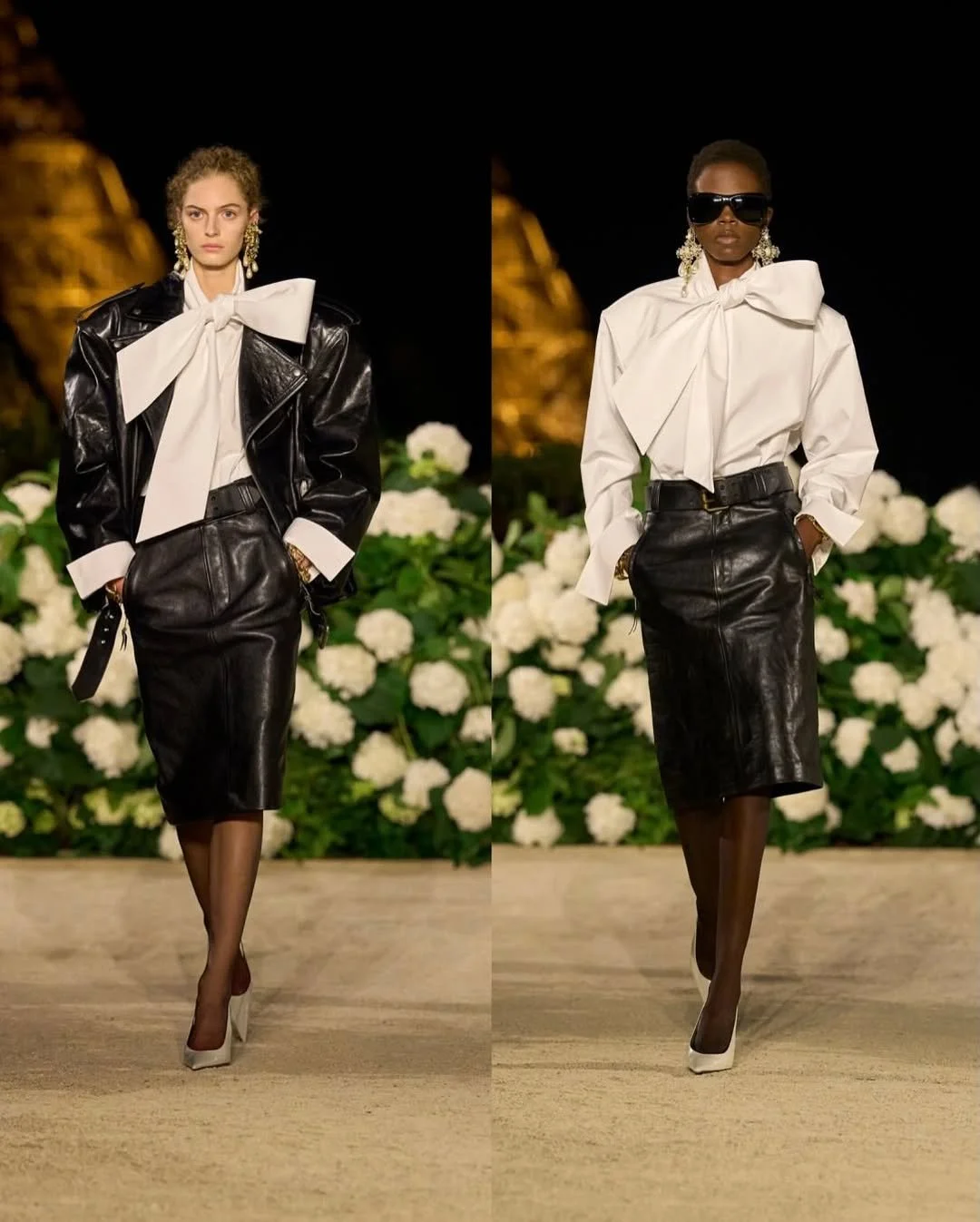
Yves Saint Laurent SS26 Ready-to-Wear.
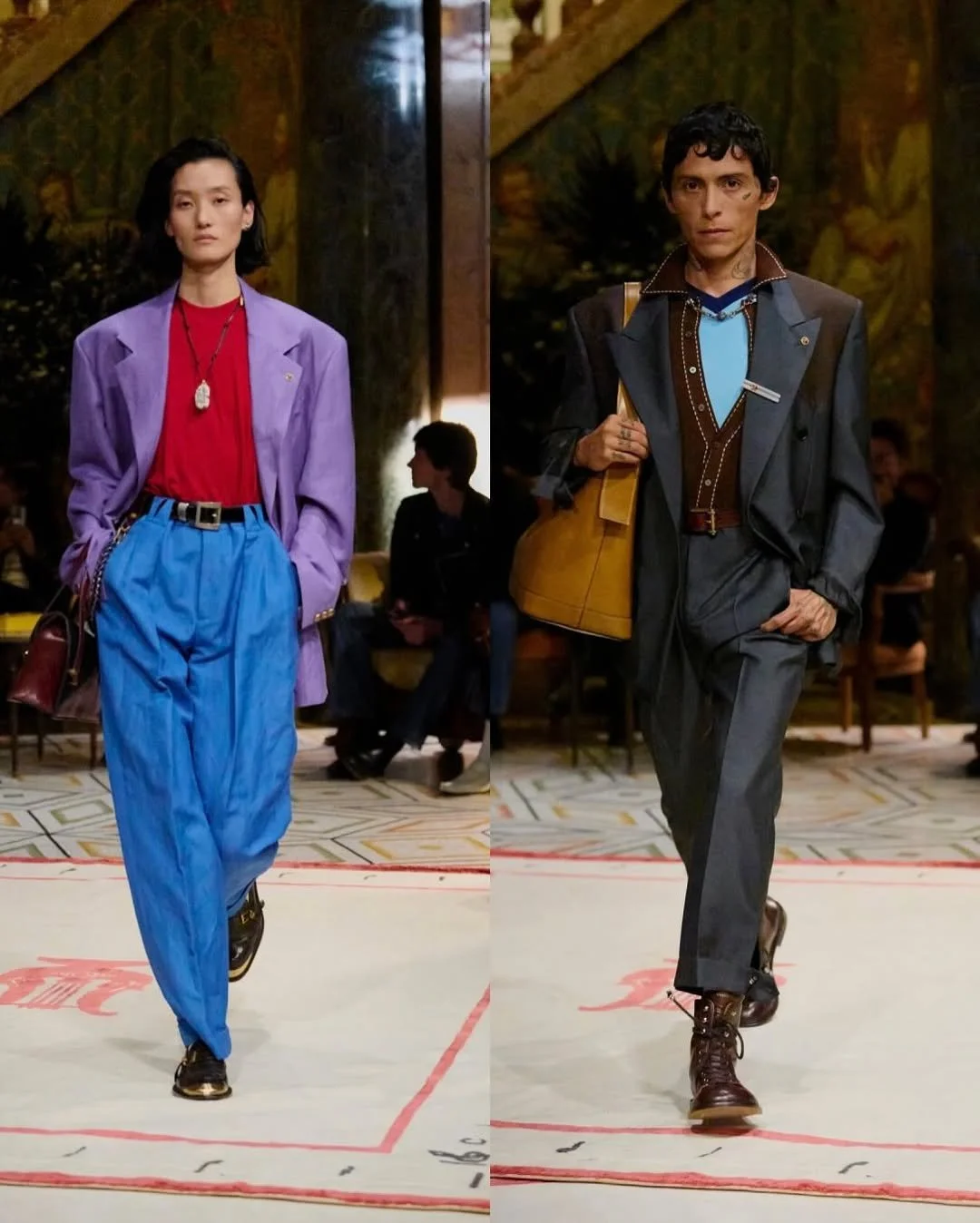
Versace SS26 Ready-to-Wear.
The definitive pulse of the season was felt most strongly in the architectural rigor of Saint Laurent and Versace. Here, the power suit has been reimagined as a form of modern armor. Anthony Vaccarello and Donatella Versace leaned into exaggerated proportions, using structural precision to project an aura of effortless authority that feels more like a power play than a 9-to-5 uniform. This aesthetic centers on a blend of ambitious 80s silhouettes and a 90s-inflected "Glamoratti" energy. It is a world where the executive suite meets the runway, grounded in a modern, sophisticated perspective that refuses to blend into the background.
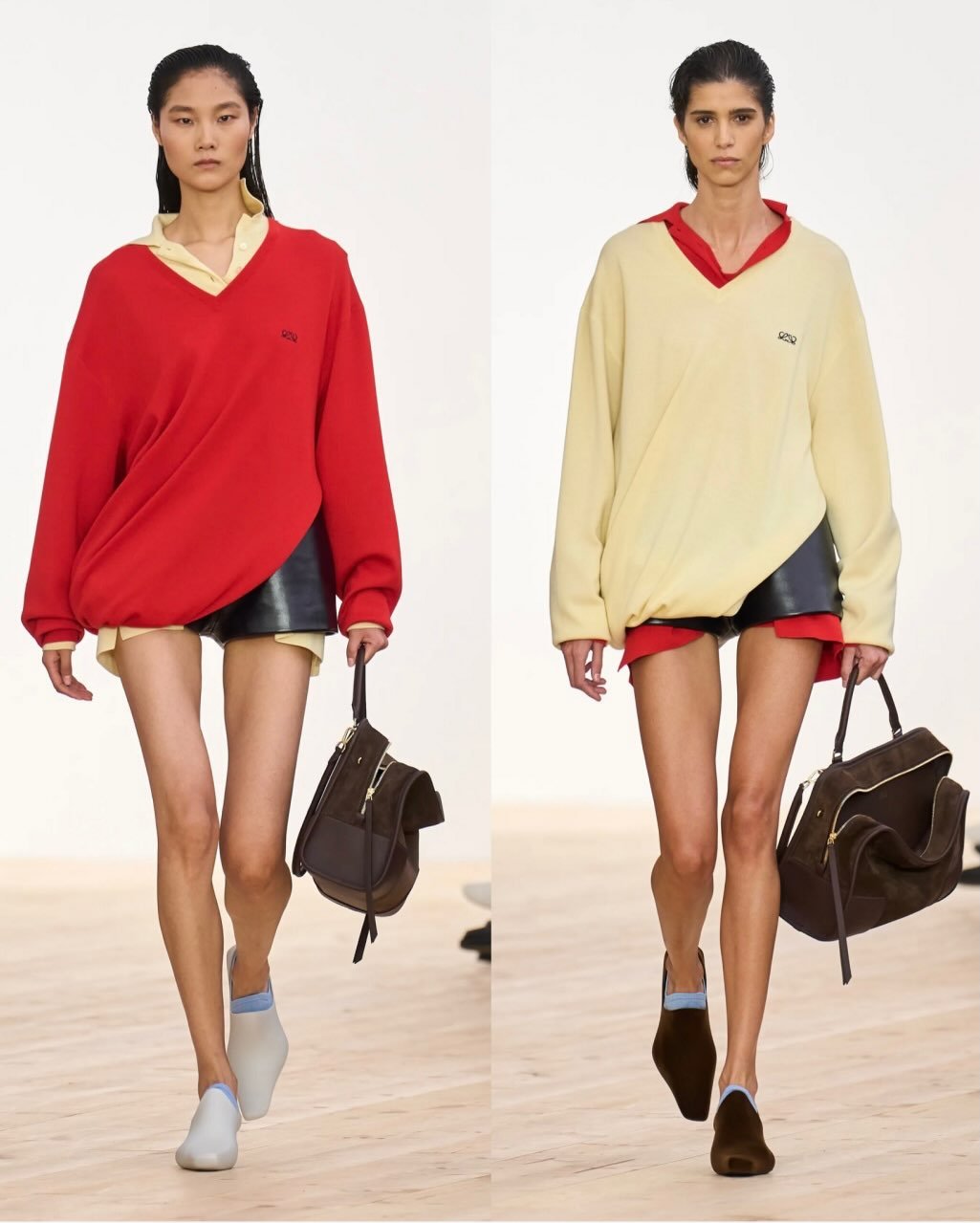
Loewe SS26 Ready-to-Wear.
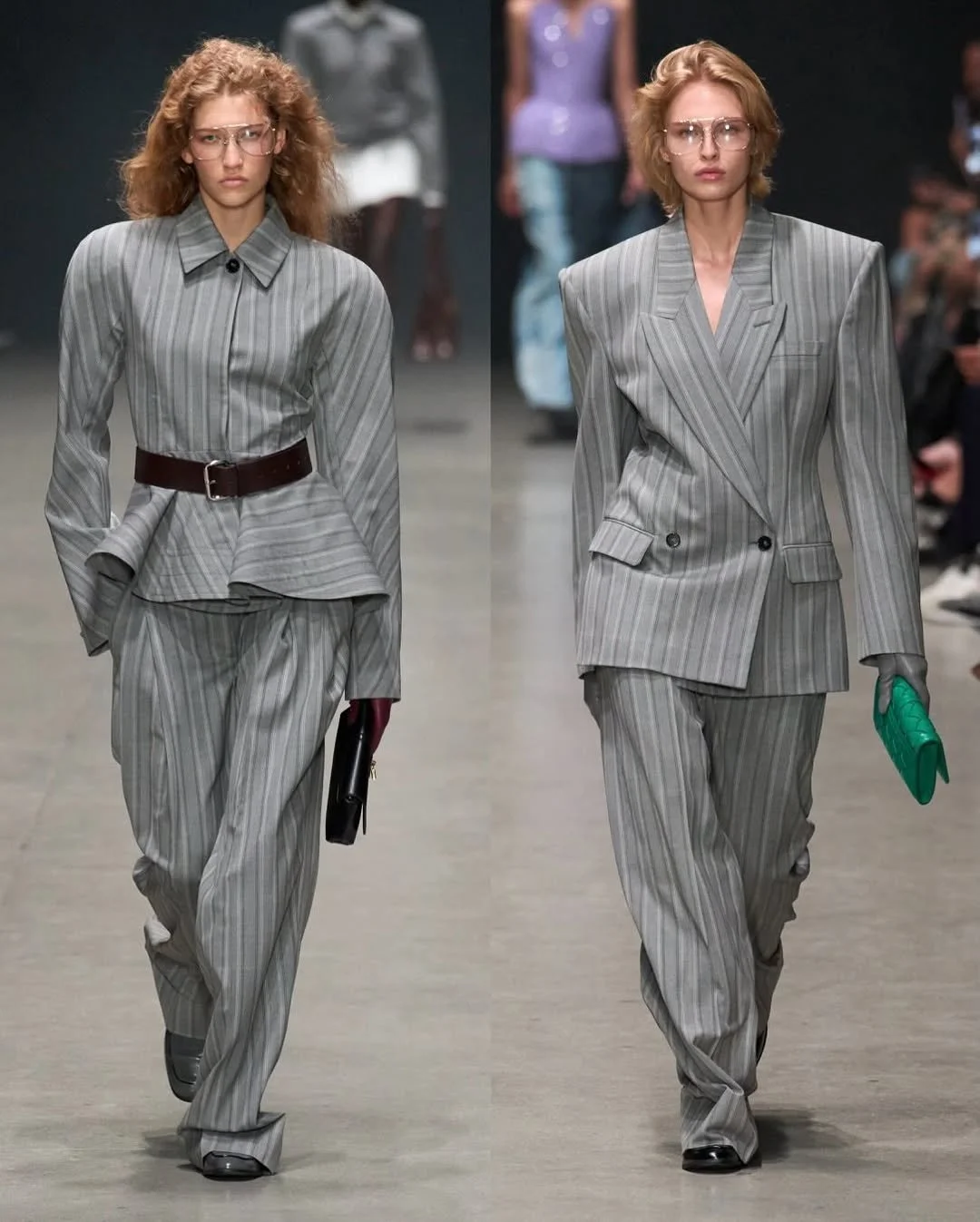
Stella McCartney SS26 Ready-to-Wear.
At Loewe and Stella McCartney, this revival took a "Post-Prep" turn, subverting the classic codes of the bourgeoisie with a defiant edge. Rather than chasing the quiet prestige of a traditional country club membership, these collections focus on a name-brand brazenness. The look is defined by oversized blazers and high-waisted pleated trousers that intentionally challenge conventional proportions, suggesting a wardrobe that is as much about architectural risk-taking as it is about professional status.
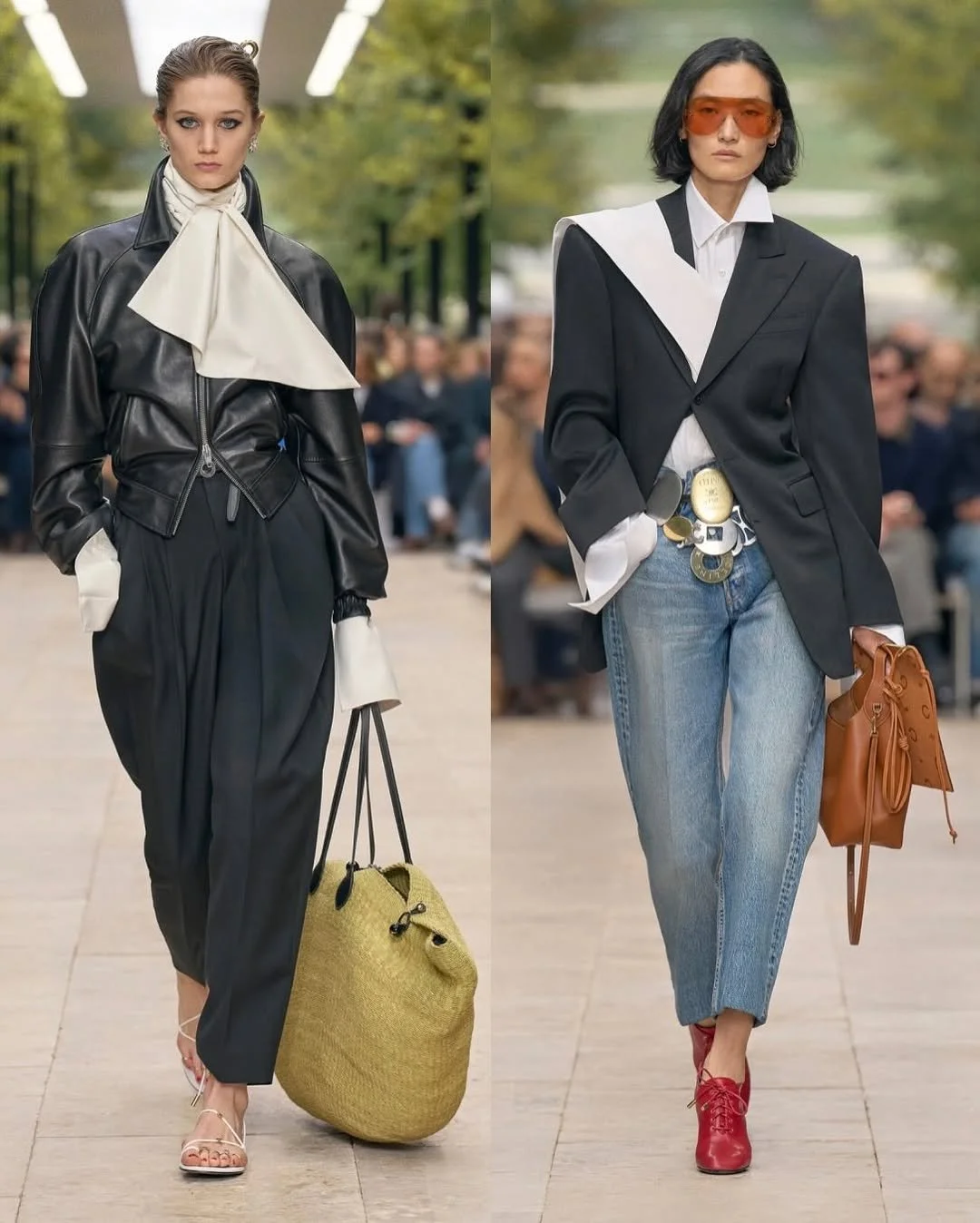
Celine SS26 Ready-to-Wear.
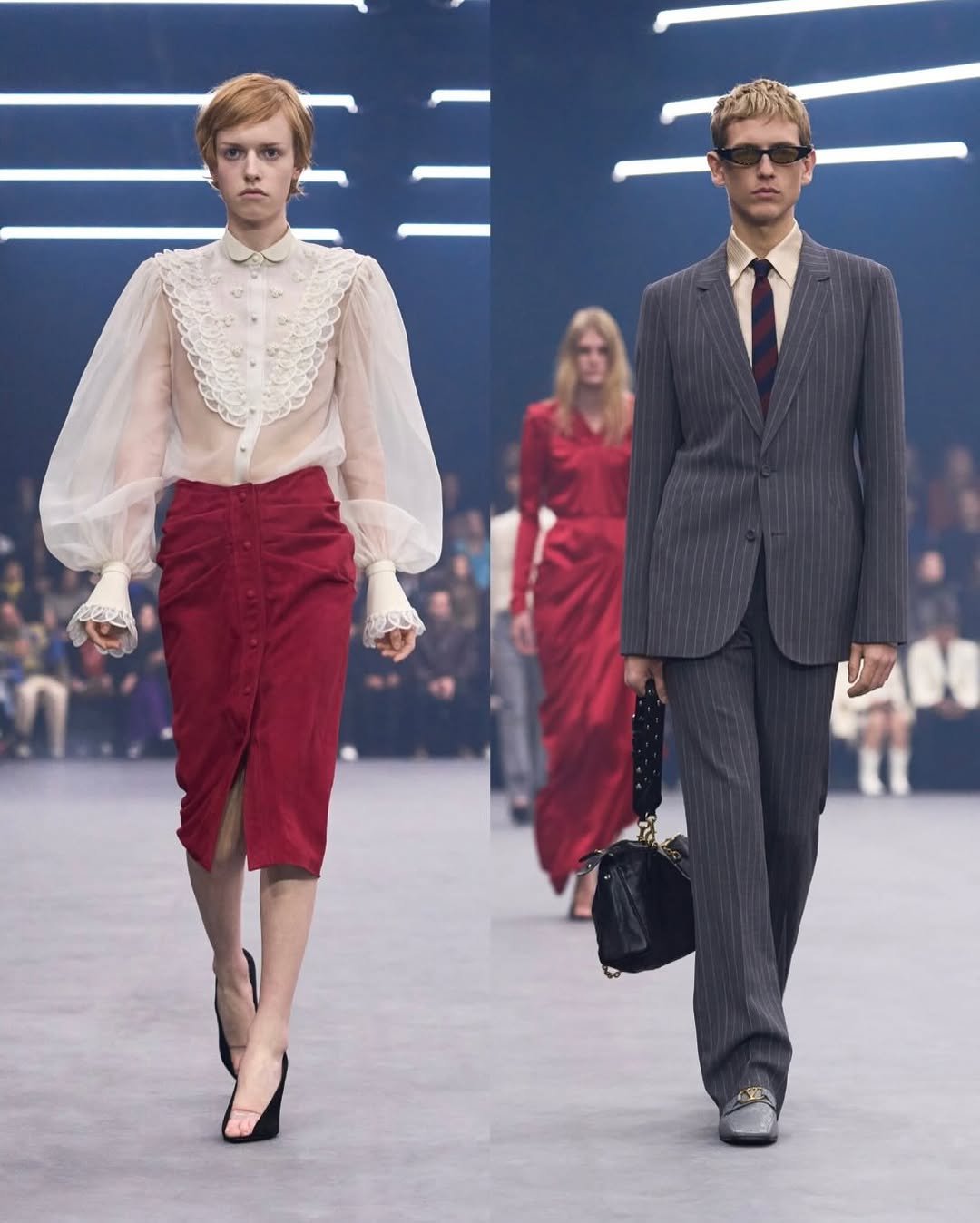
Valentino SS26 Ready-to-Wear.
Celine and Valentino rounded out the movement by redefining the "bourgeois intellectual" for a new generation. Through the lens of sharp tailoring and 90s-style opticals, these houses crafted a narrative that mirrors the vibrant energy of 1980s New York. It is an aesthetic where the world of Wall Street power-players and affluent art curators collide in a perfect, high-fashion harmony—positioning the modern professional as both a cultural connoisseur and a corporate force.
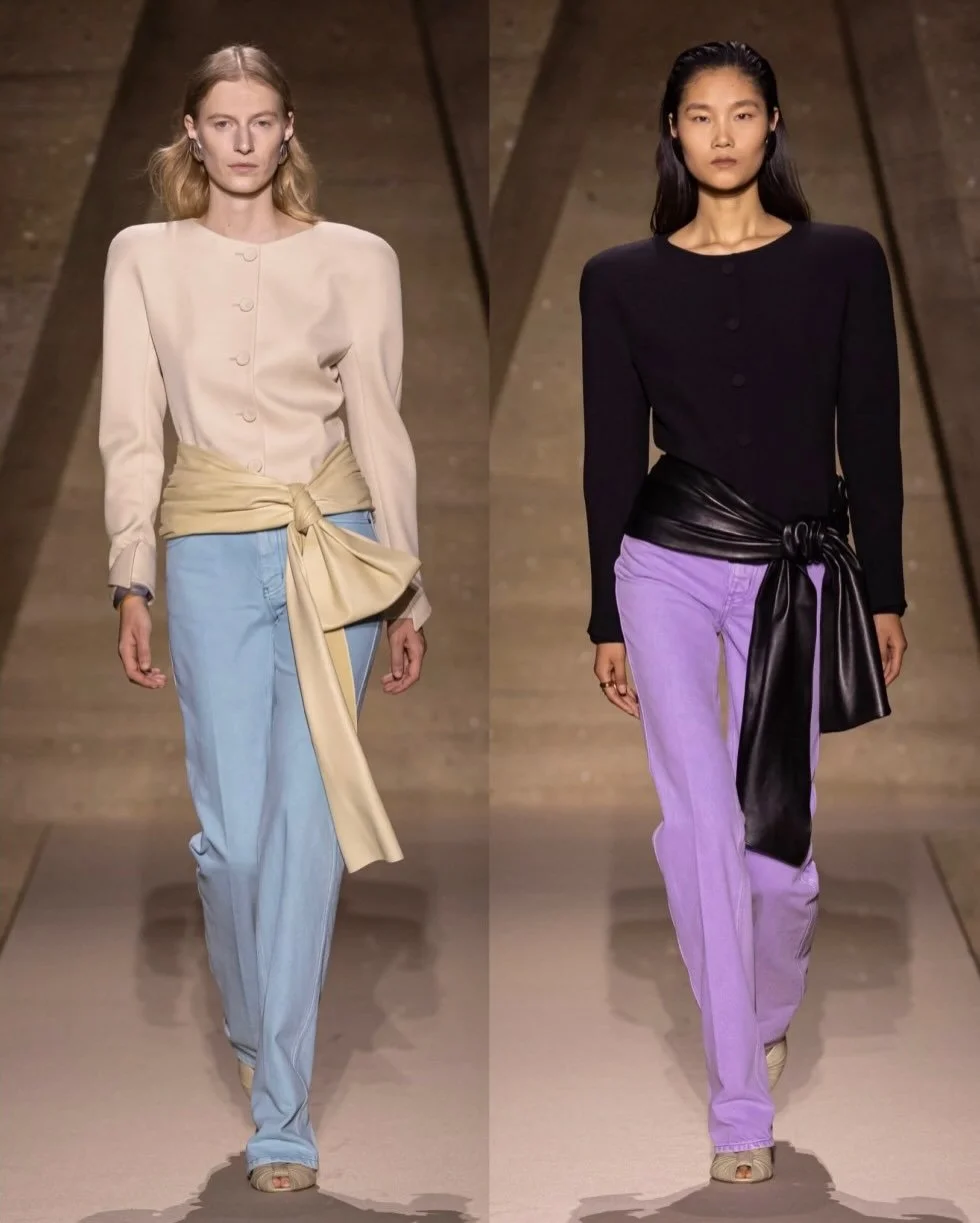
Chloé SS26 Ready-to-Wear.
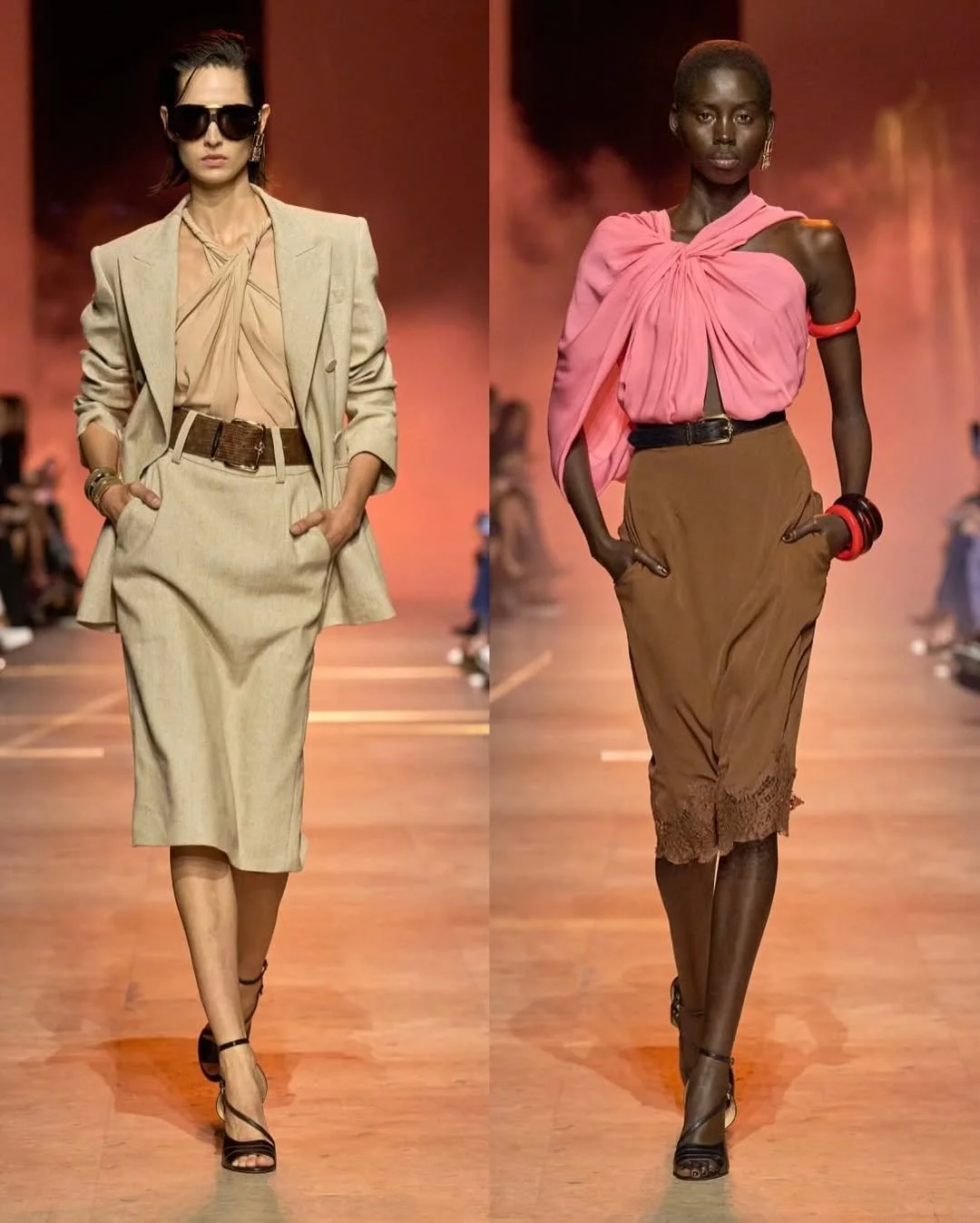
Elie Saab SS26 Ready-to-Wear.
Even the more fluid houses, like Chloé and Elie Saab, found themselves drawn to this executive allure, mixing bohemian-executive silhouettes with "status" accessories. Key signifiers of the trend include chunky gold cuffs, wide leather belts, and crisp poplin shirting that act as markers of wealth and taste. As the SS26 collections permeate the current season, they prove that the professional narrative is being rewritten. It is an old resurgence of the idea that looking good is a form of self-positioning—a visual language that prioritizes ambition and the art of the status silhouette. In 2026, the ultimate luxury is a look that commands the room before a single word is spoken.
