

The Hysteric Archive: A Cultural Nexus of Rock, Sex, and Tokyo Street Style
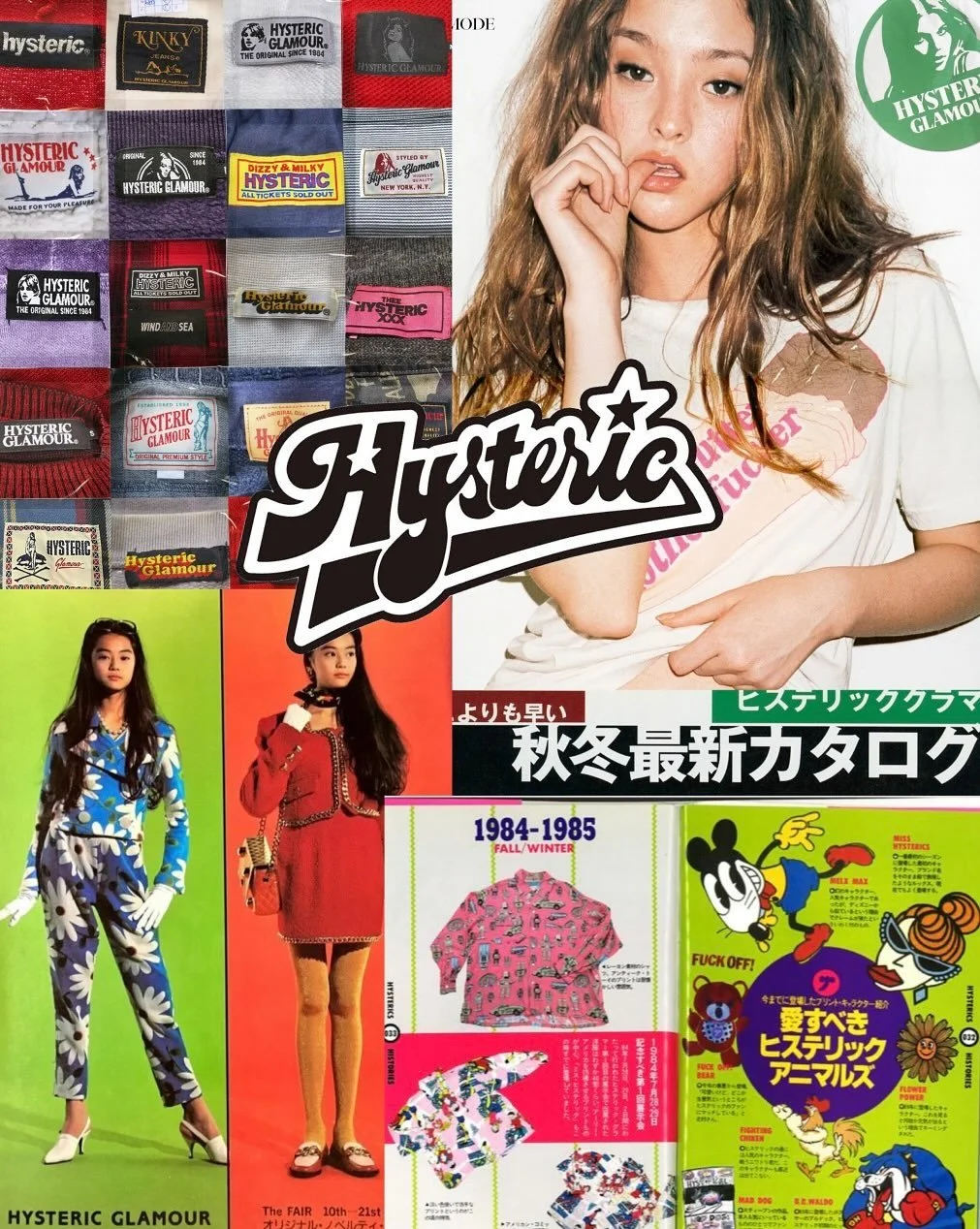
Hysteric Glamour is the definitive visual statement of high-octane Americana filtered through the sharp, subversive lens of Tokyo street style. Since its inception in 1984, Nobuhiko Kitamura’s vision has served as a potent cultural archive, marrying the disruptive energy of ‘70s rock iconography and ‘80s punk-rock with a fearless embrace of pop-culture sex appeal. It is the original "effortless rebel" aesthetic, defining the exact nexus where vintage American graphic tees meet the technical, high-fashion edge of Japanese design.
The Genesis of a Myth: The Birth of the Hysteric Girl
The brand’s story began when a young Nobuhiko Kitamura, fueled by a passion for imported punk records and the raw stage presence of Patti Smith, bypassed the traditional fashion establishment. After graduating from the Tokyo Mode Gakuin Fashion School in 1984, Kitamura began his career at Ozone Community, a creative hub that acted as a bridge between classic preppy styles and the burgeoning punk scene. It was here that he launched Hysteric Glamour, fueled by a maximalist deconstruction of Western media and a "Mansion Maker" DIY spirit that prioritized artisanal logic over mainstream success.
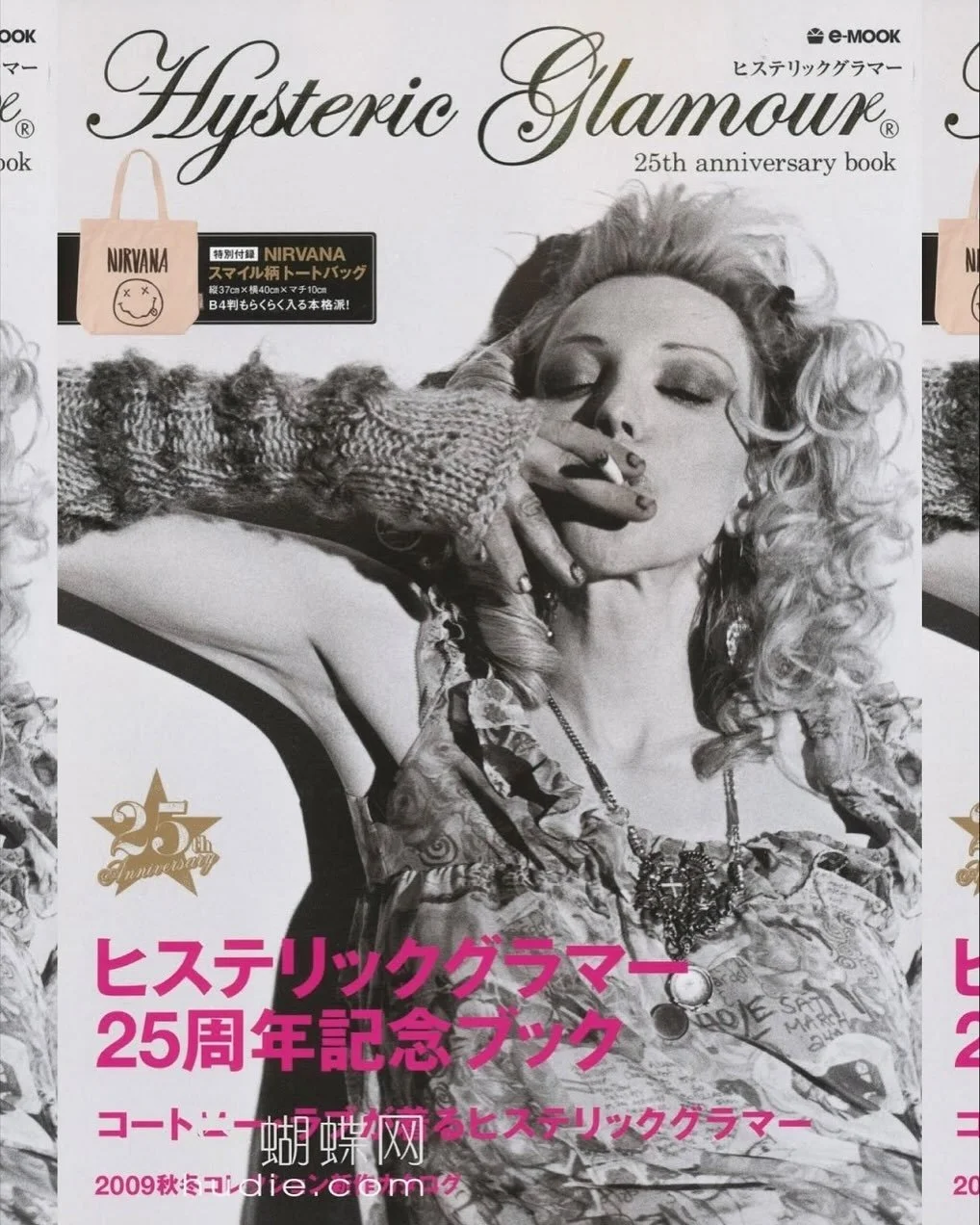
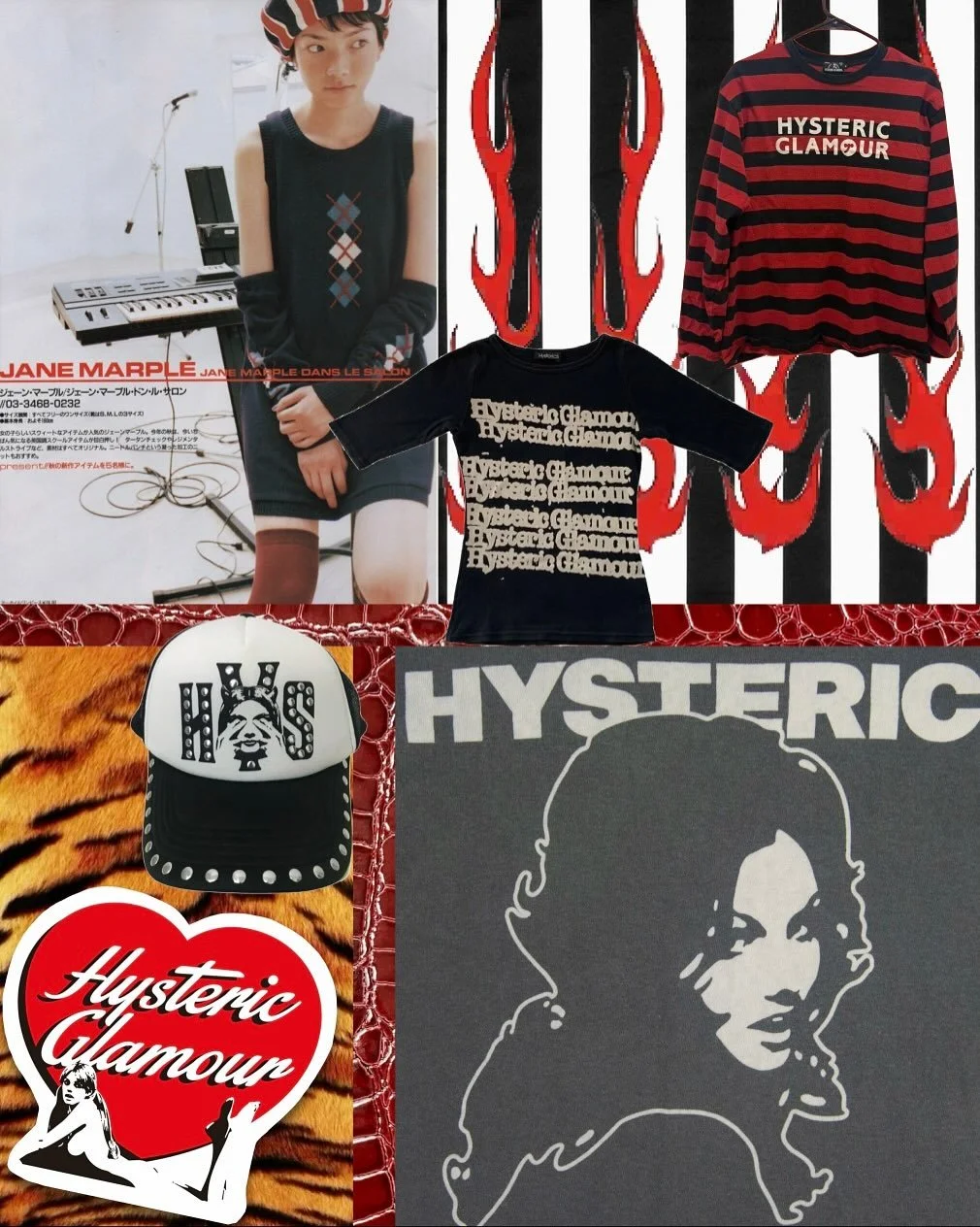
Kitamura’s vision drew heavily from mid-century pin-up graphics, vintage pornography, and 1960s mass media—most notably the evocative "Hysteric Girl" magazine covers that have become the brand’s most recognizable signatures. These hyper-saturated graphics were more than just prints; they were artifacts of a rebel spirit that championed the body-con fit and graphic layering long before they became global street-style staples. By repurposing nostalgia into something provocative and loud, Kitamura effectively broke the wall between Japanese subculture and Western society.
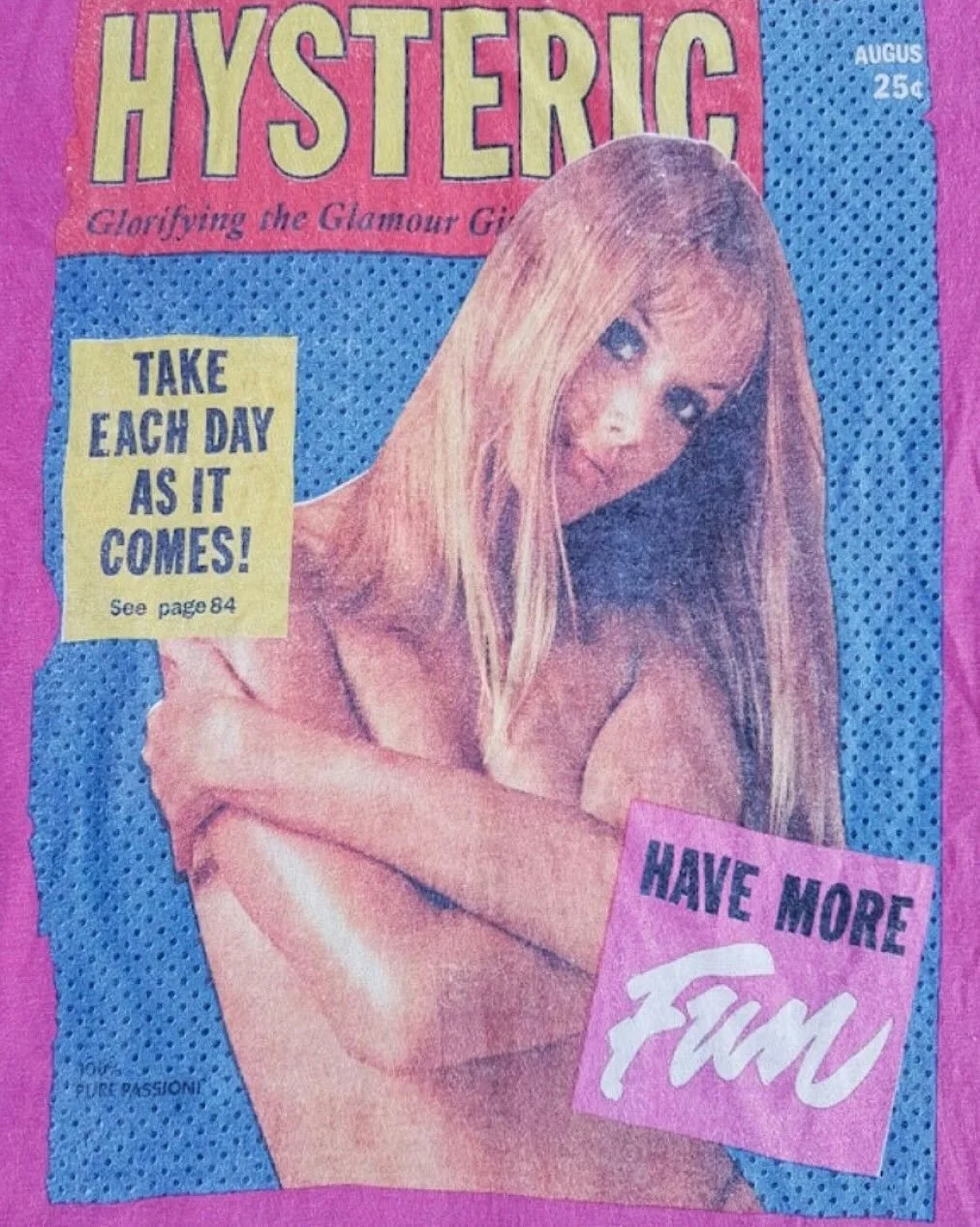
Vintage Hysteric Glamour graphic tee.
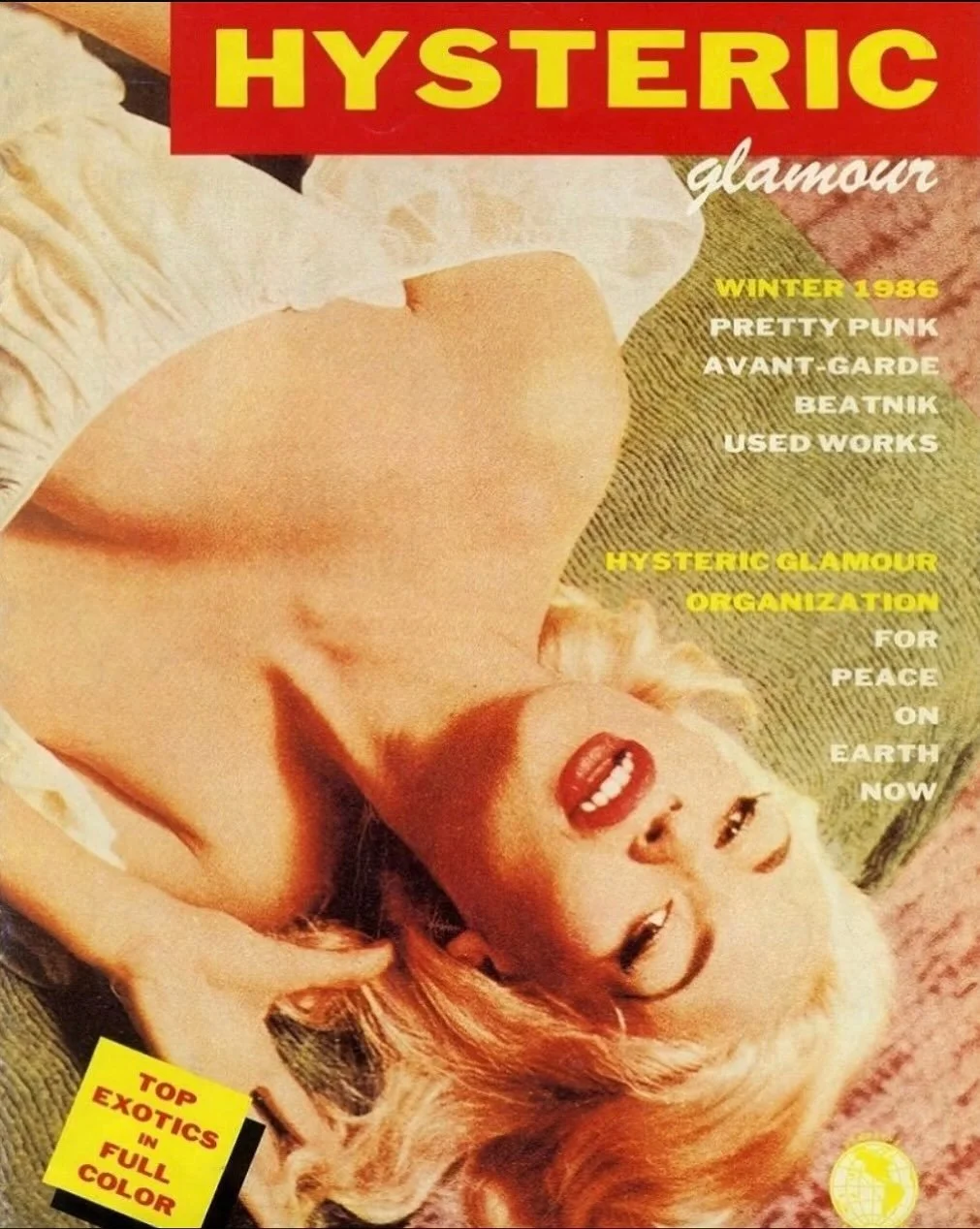
Vintage Hysteric Glamour advertisement.
The Ad-Campaign Aesthetic — Lo-Fi Provocation
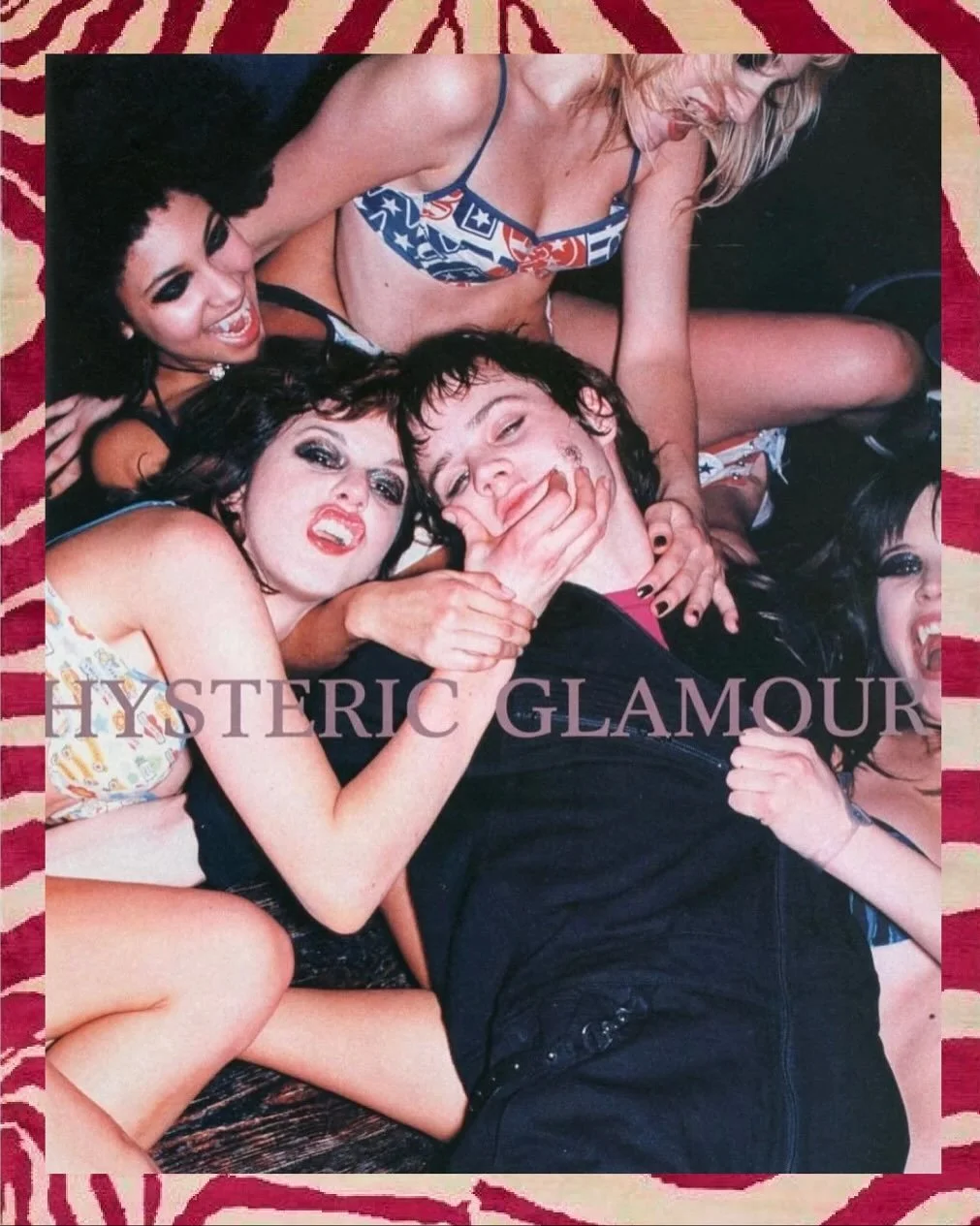
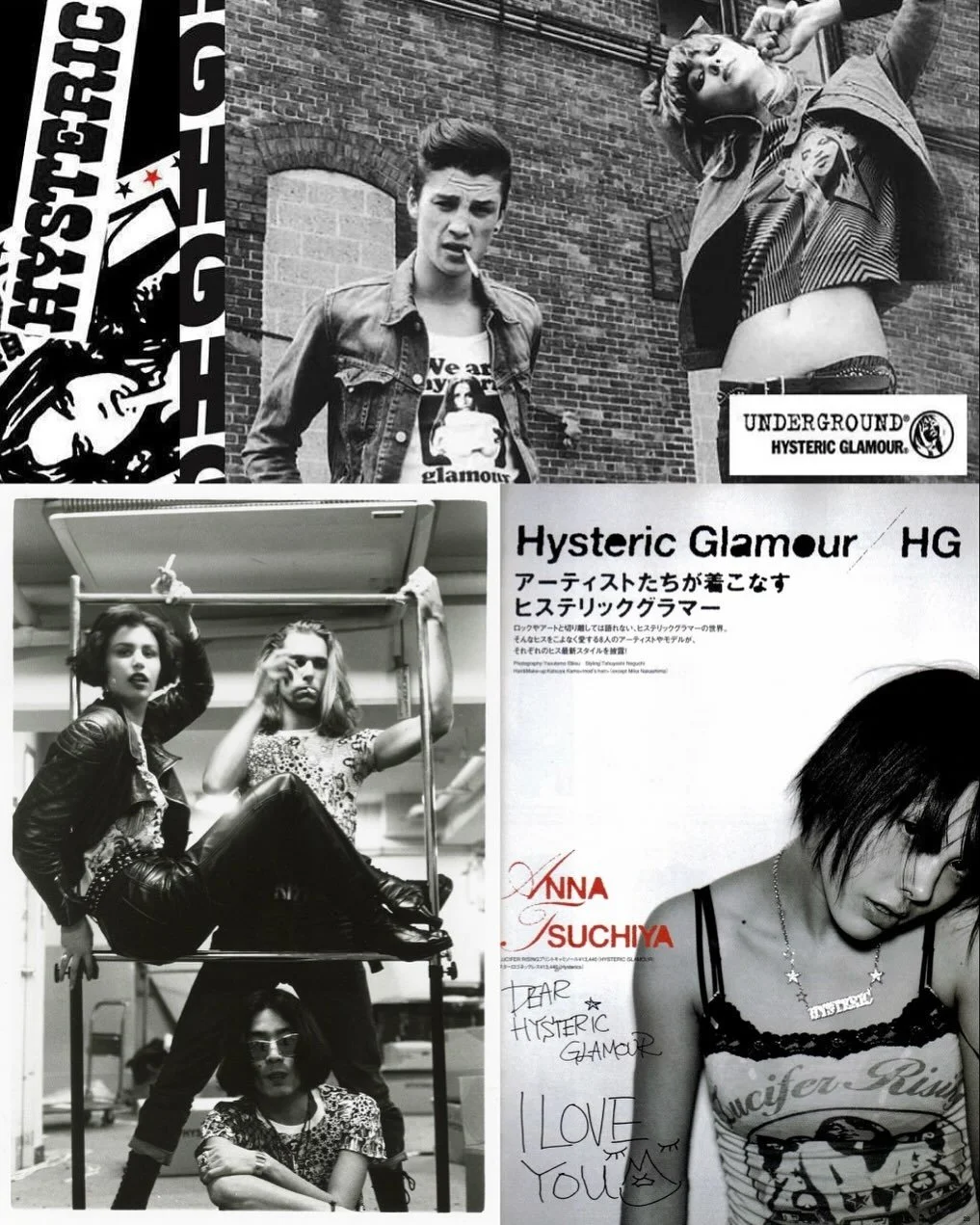
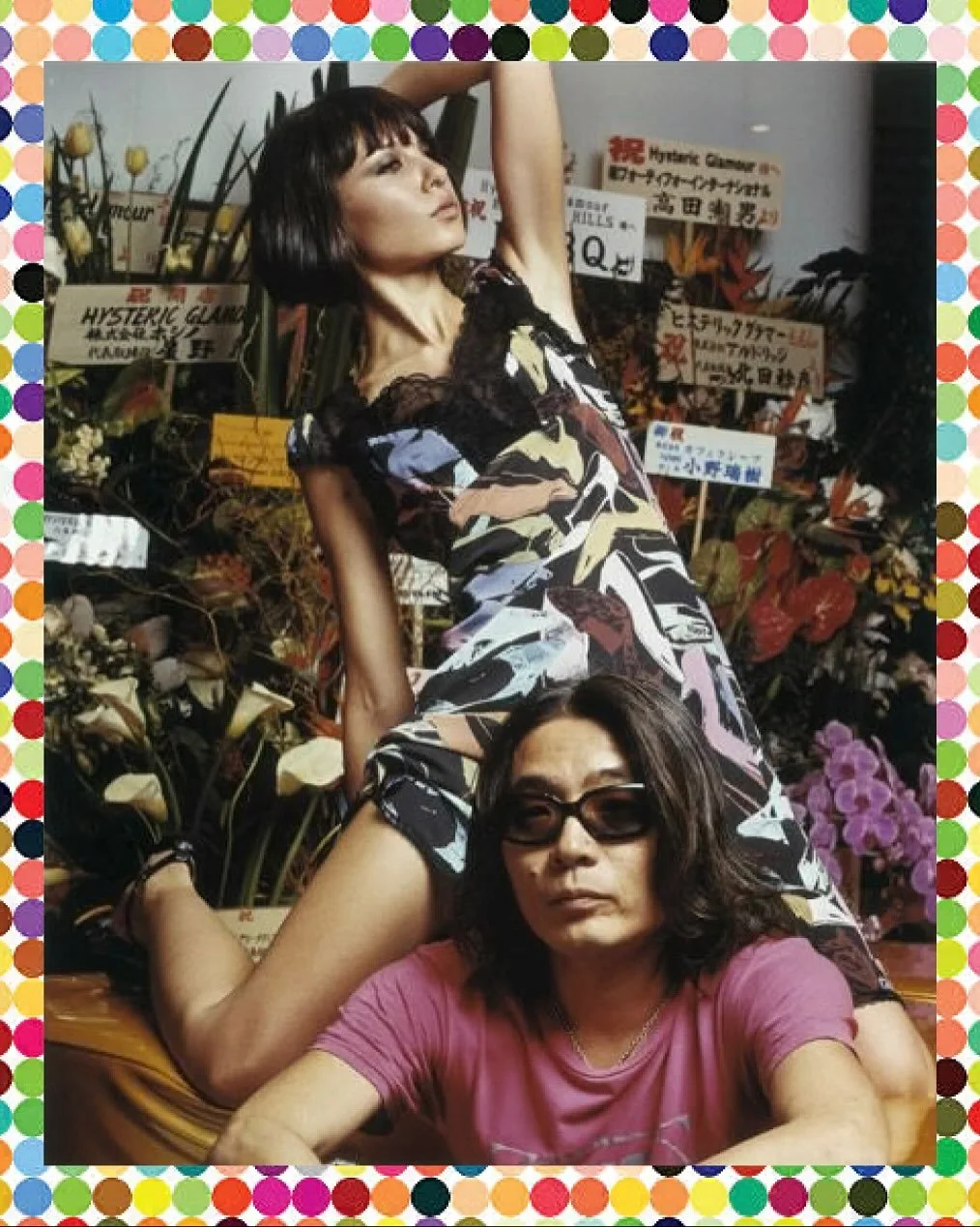
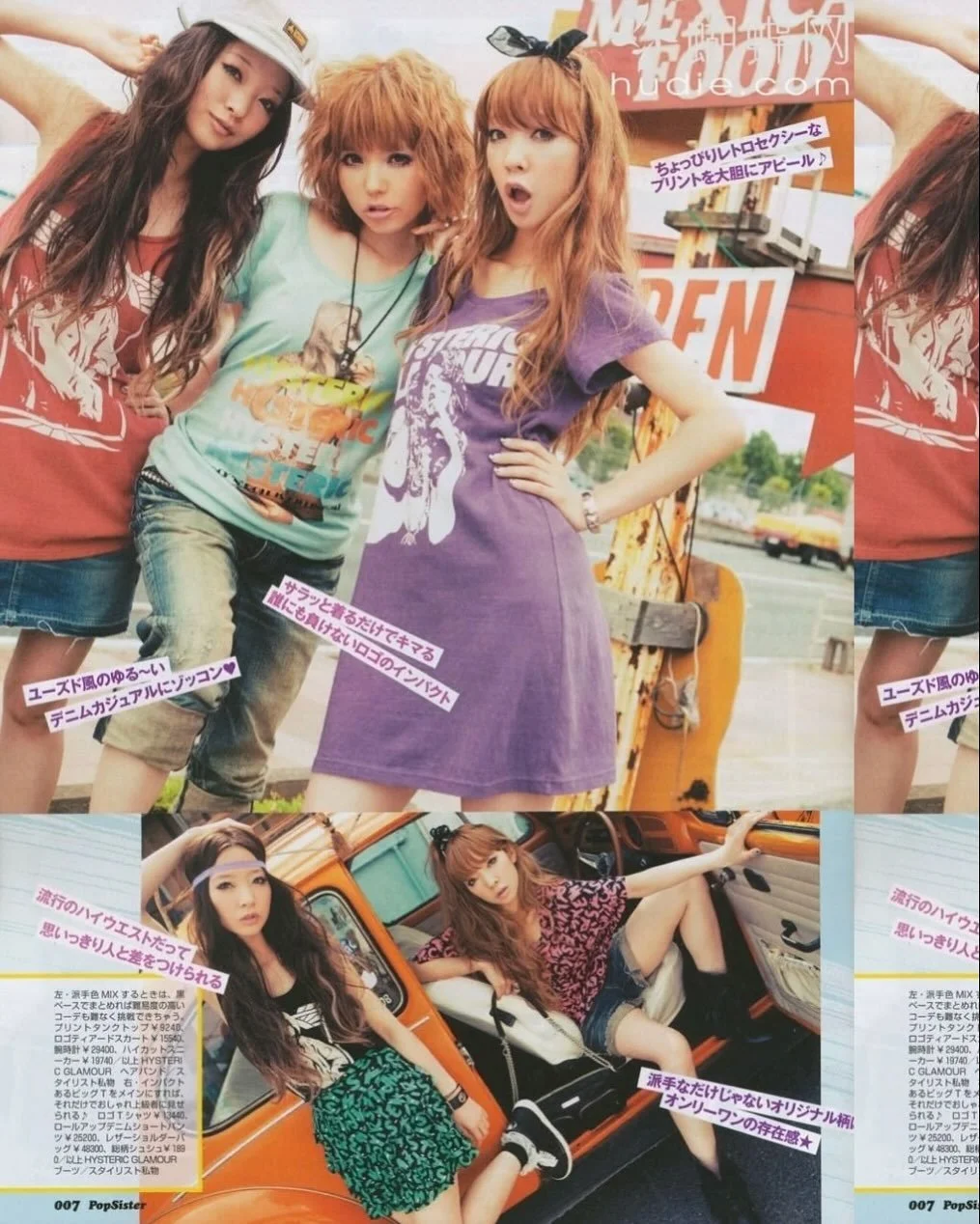
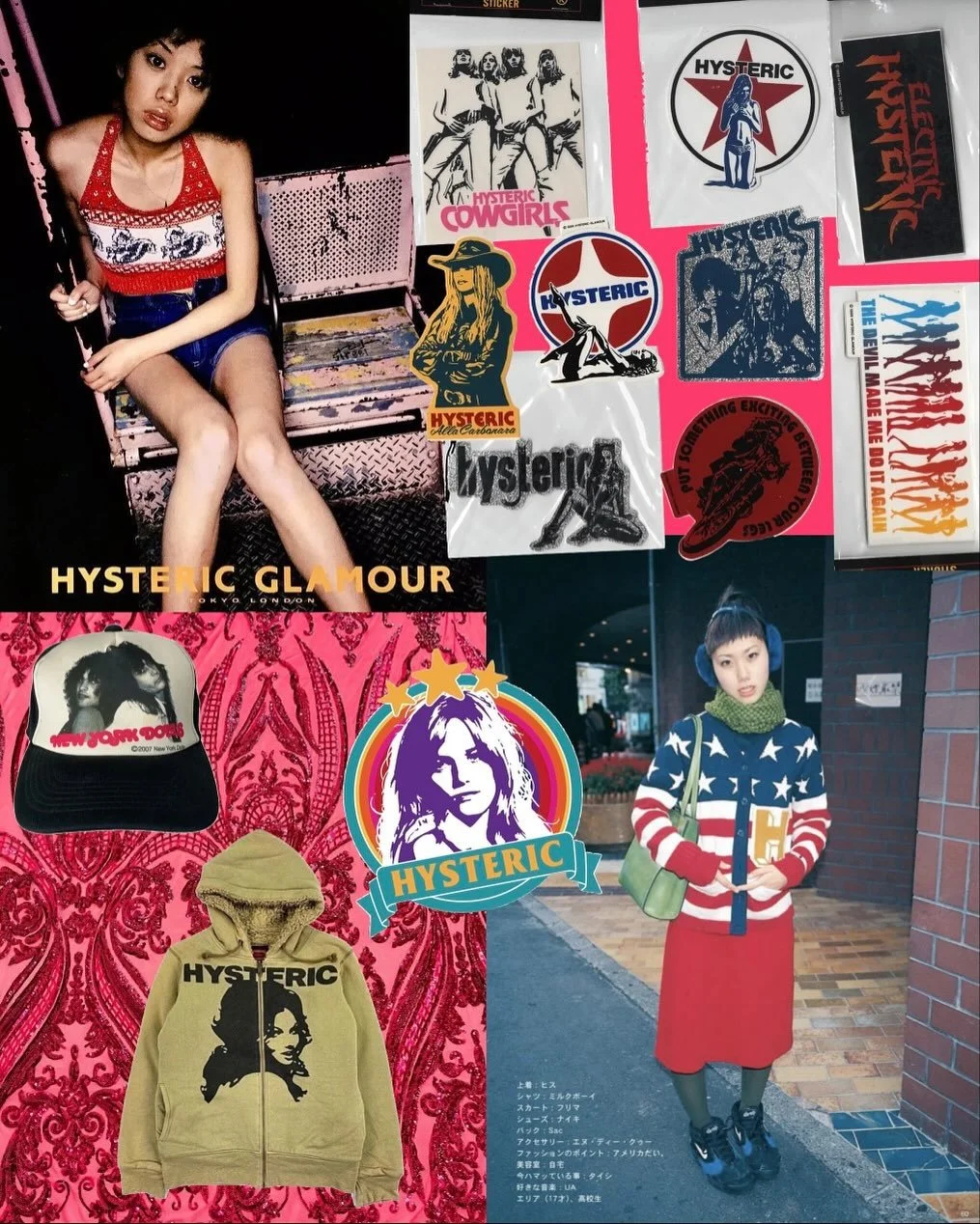
Much of the brand's cult status can be attributed to its distinctive advertisement style—a masterclass in "lo-fi" provocation. Eschewing the polished, high-gloss finish of traditional luxury, Hysteric Glamour’s campaigns were designed to feel like grainy snapshots from a backstage party or a late-night basement show. The imagery frequently utilized high-saturation colors, xerox-style textures, and a "DIY" zine layout that mirrored the raw, punk-rock energy of the clothes. By framing advertisements like magazine covers—complete with the iconic "Hysteric Girl" headlines and bold slogans—Kitamura successfully blurred the lines between a consumer product and an underground media artifact.
This "anti-fashion" approach to marketing was heavily influenced by Kitamura’s background in the Ozone Community, where the goal was to create a total cultural atmosphere. The advertisements often featured "Hysteric" slogans in jagged, punk-inspired typography, layered over hyper-saturated portraits that mimicked the look of cheap, mass-produced pop-art. By using high-contrast lighting and a purposefully unpolished, "snapshot" photography style, the brand invited the audience into a specific subcultural world. These weren't just ads to sell a shirt; they were visual manifestos that established Hysteric Glamour as the definitive voice of a generation that valued the grit of the underground over the glamour of the runway.
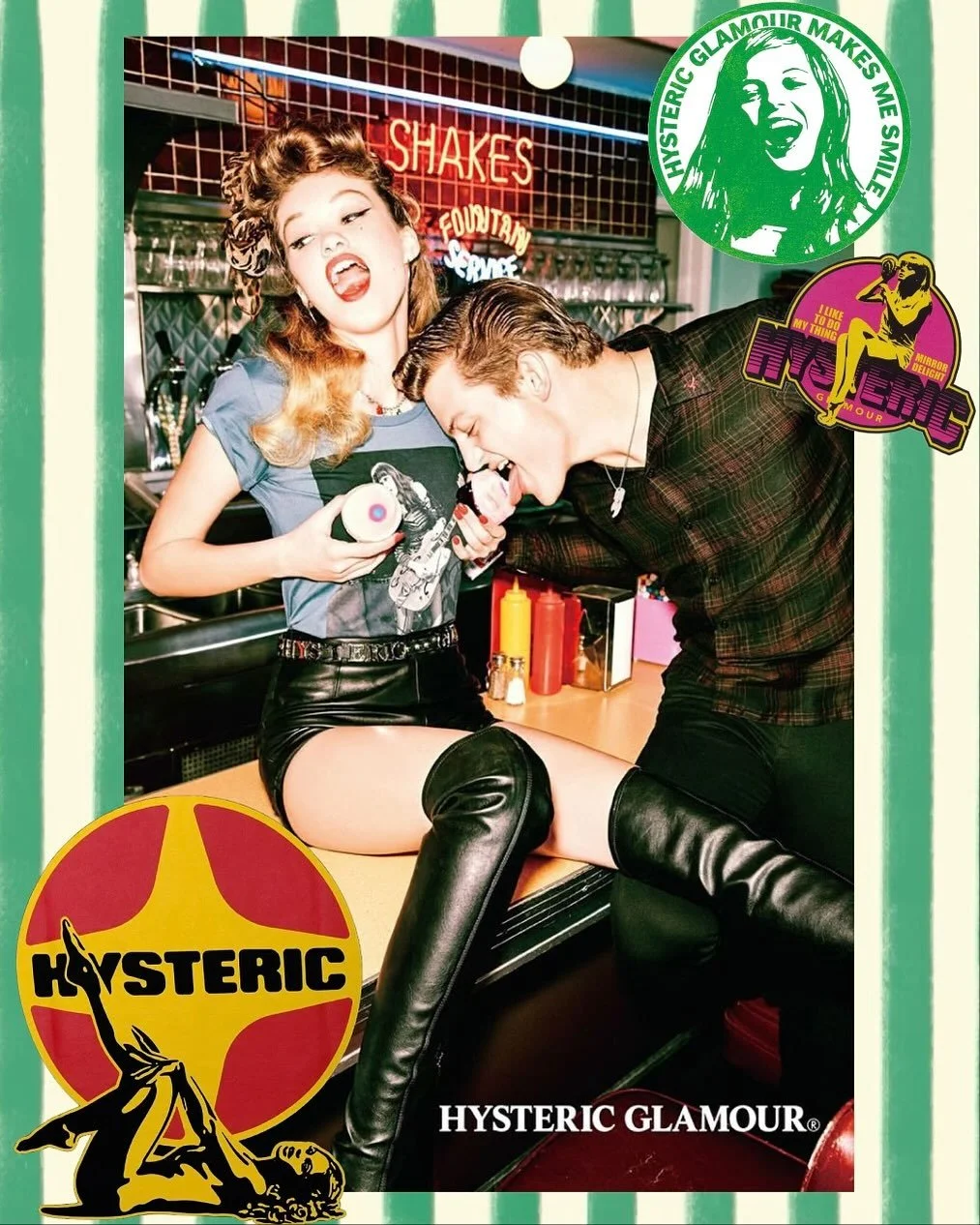
The Grunge Silhouette and Lived-In Cool
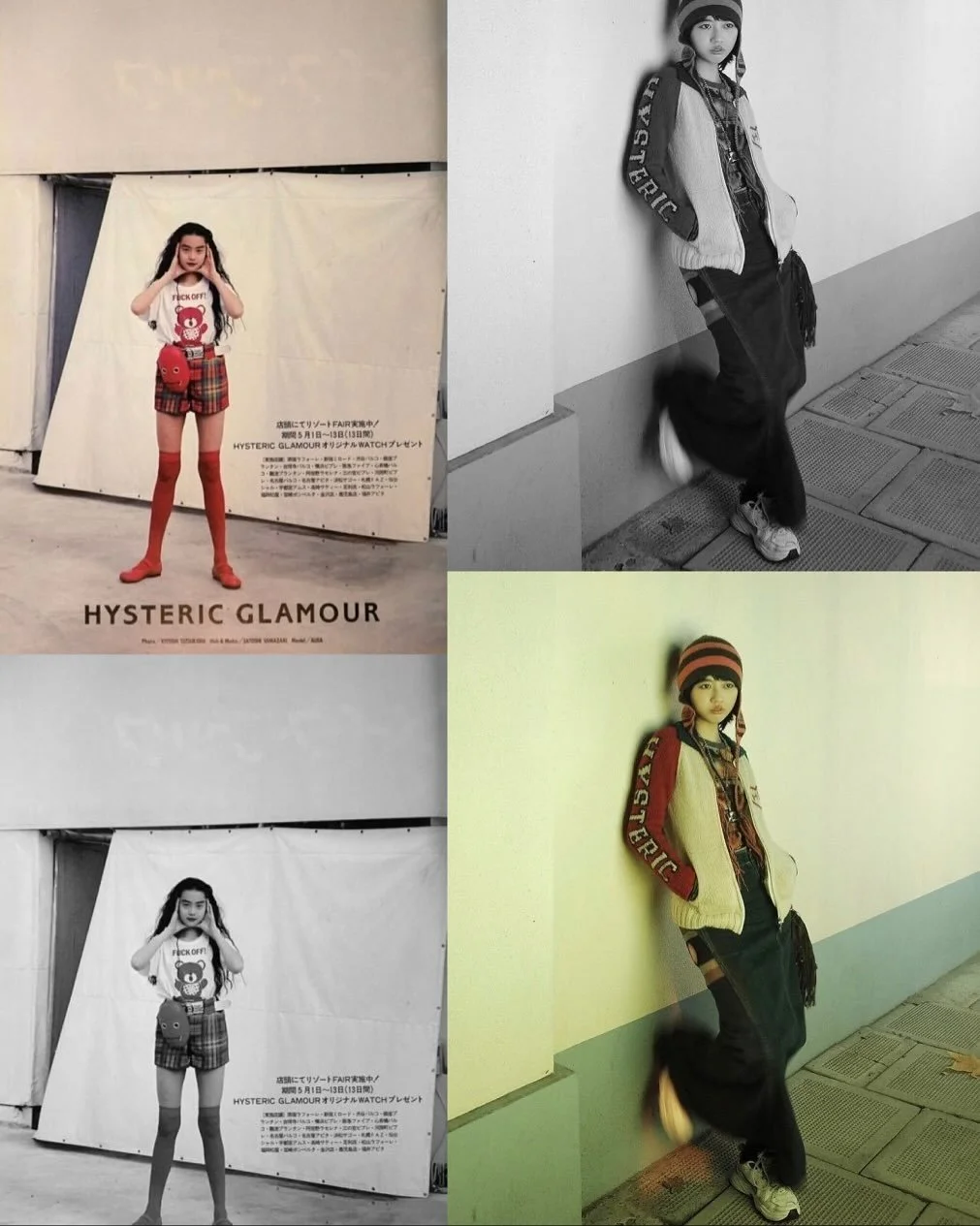
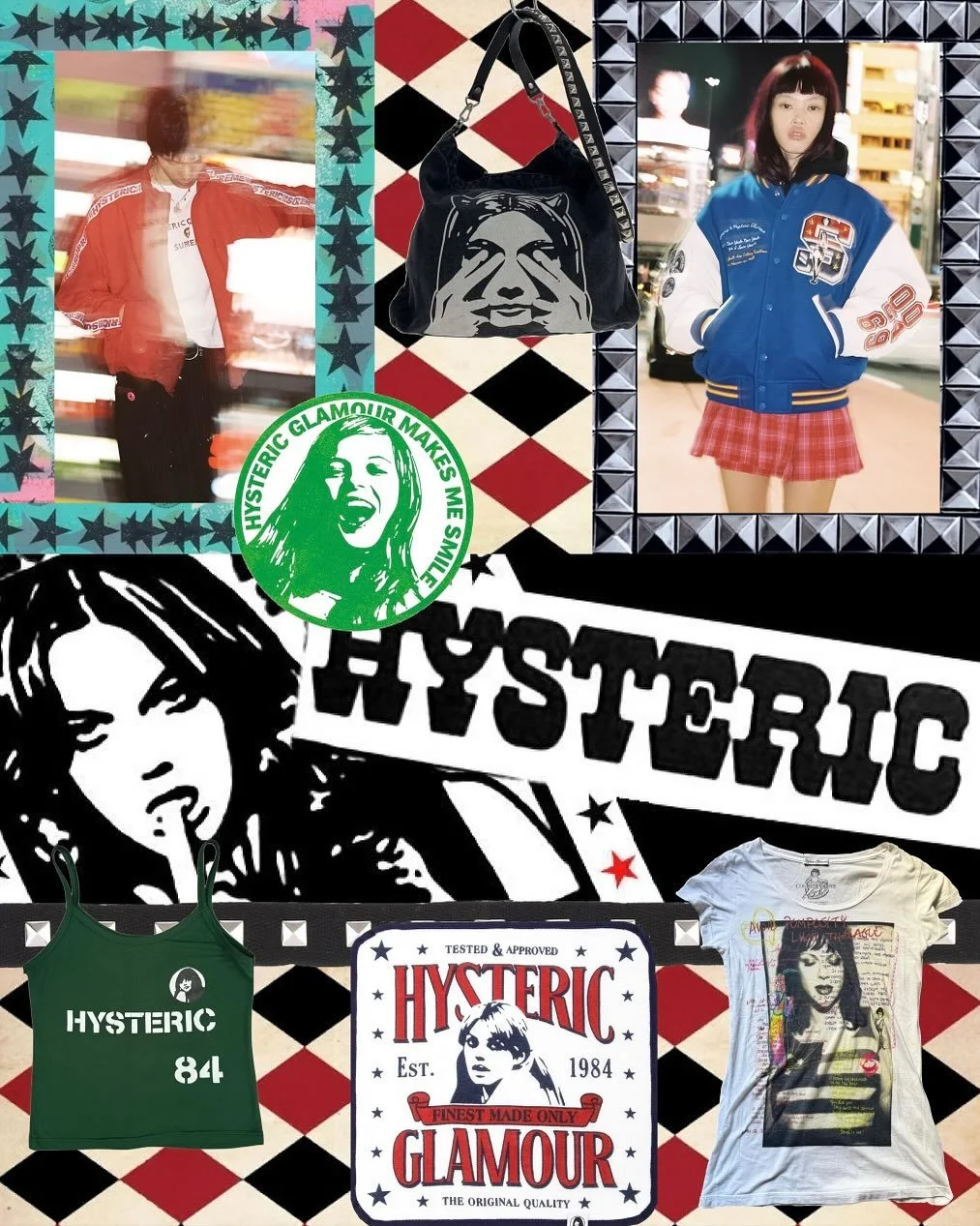
Beyond the bold graphics, Hysteric Glamour is defined by its powerful, lived-in silhouettes. The brand famously mastered the "unpolished cool" of the 1990s, blending the industrial weight of raw denim with the kinetic energy of deconstructed knits and sheer lace trims. It is a masterclass in textural tension: distressed leathers, vintage-wash tees, and weathered denim that feel authentic rather than manufactured. This mastery of the "perfectly worn" look—often inspired by military surplus and vintage finds—solidified the brand's reputation for balancing Japanese precision with a raw, rock-and-roll soul. Kitamura further pushed this aesthetic by championing shrunken, body-con proportions that mirrored the stage presence of his punk idols, moving away from traditional tailoring toward a more provocative, lean profile. By intentionally designing these pieces to be unisex, he created a versatile, rebellious uniform that allowed the brand to transcend gender boundaries and dominate the global underground scene.
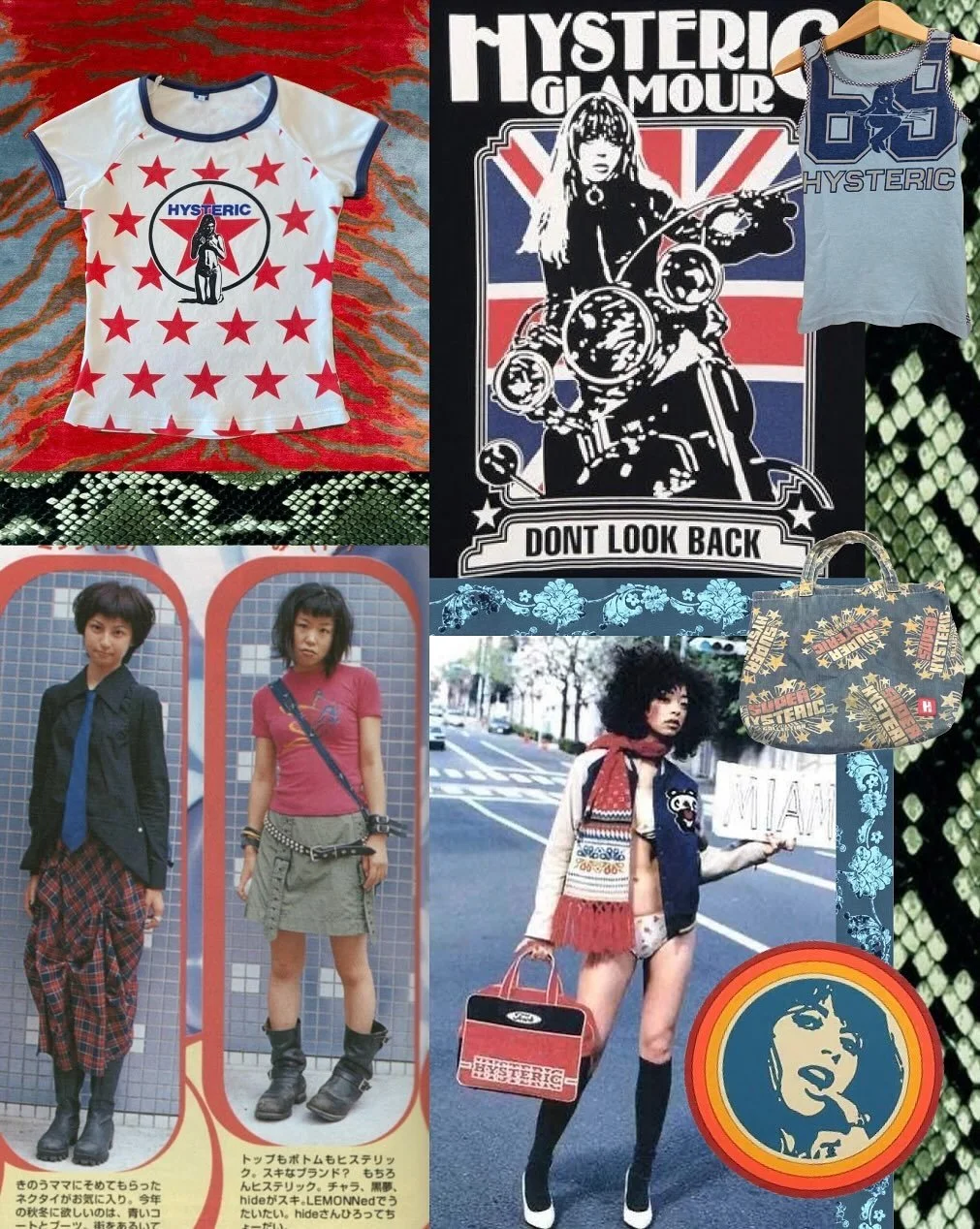
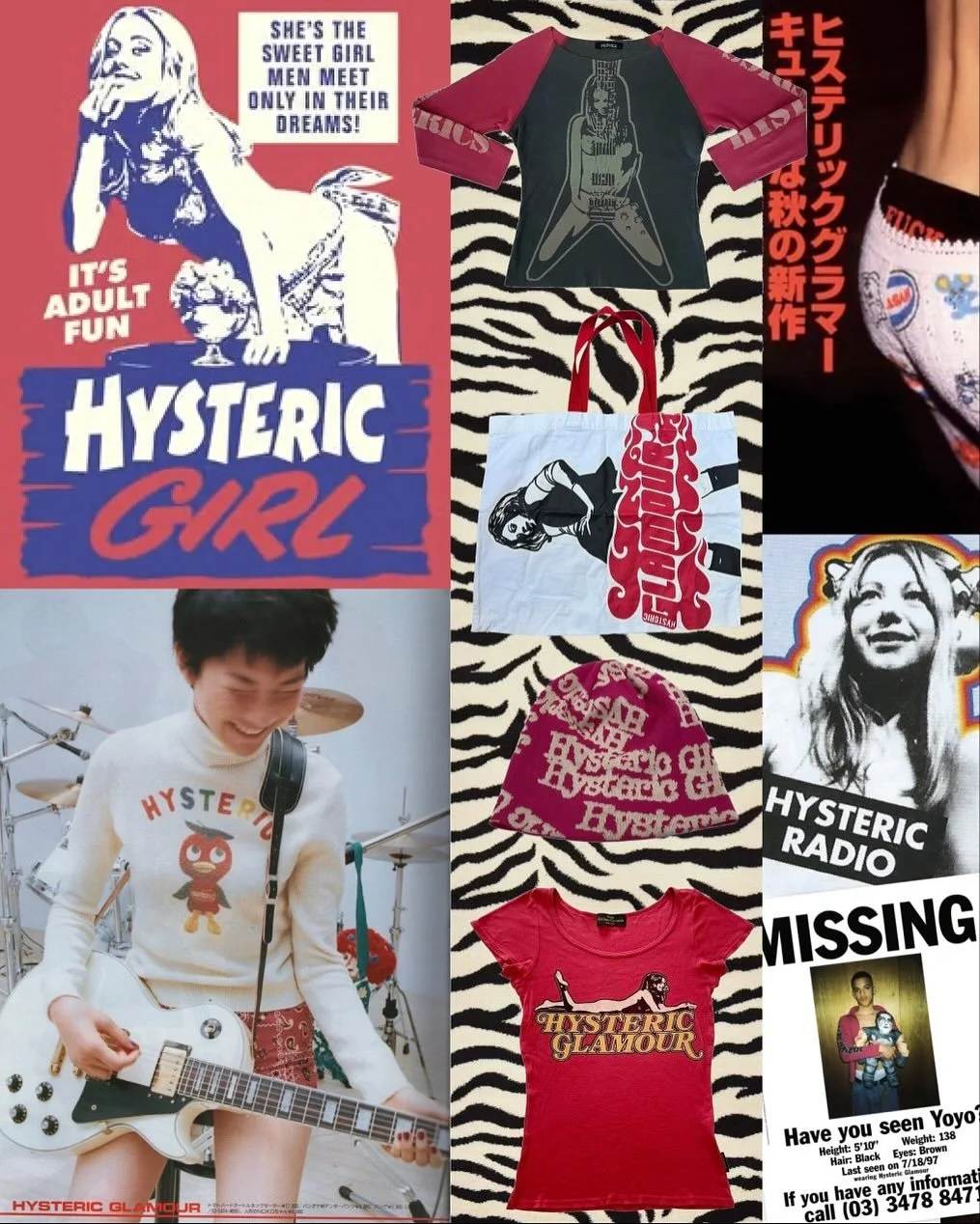
Distressed Denim & Graphic Tee Madness
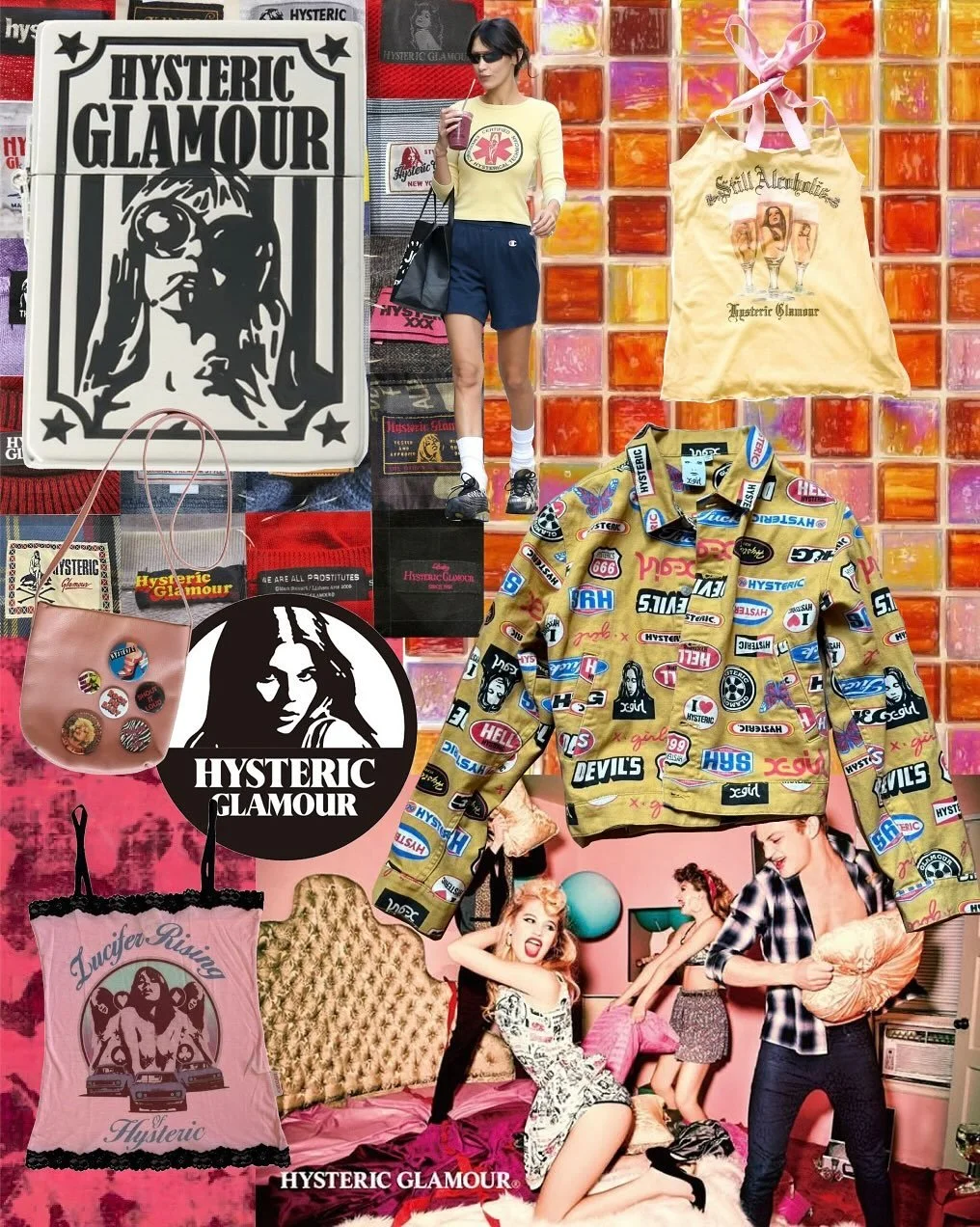
While the visuals command attention, the brand’s technical backbone is its mastery of vintage reconstruction and textile manipulation. Long before "distressed denim" was a luxury category, Kitamura was obsessively reworking military surplus and deadstock fabrics. Hysteric Glamour became world-renowned for its denim treatments—specifically the "Kinky" denim line and the iconic Snake-Print jeans. These pieces weren't just weathered; they were engineered using artisanal Japanese washing techniques to mimic decades of authentic, "lived-in" wear. By applying punk-rock motifs to high-quality Japanese selvedge, Kitamura turned the humble blue jean into a canvas for counter-culture expression.
This same meticulous approach extended to the brand’s iconic graphic tees. Far from standard screen prints, these garments featured hyper-saturated, intentional illustrations of women that drew from the golden age of 1960s and '70s pin-up culture. These "Hysteric Girls" weren't just decorative; they were stylized homages to the gritty aesthetic of old-school magazine covers and pulp fiction novels. By printing these evocative, high-octane illustrations on high-quality, often "pre-aged" cotton, Kitamura created a wearable archive. These tees became the definitive Hysteric Glamour staple, blending the tactile feel of a rare vintage find with the sharp, provocative edge of Tokyo’s underground art scene.
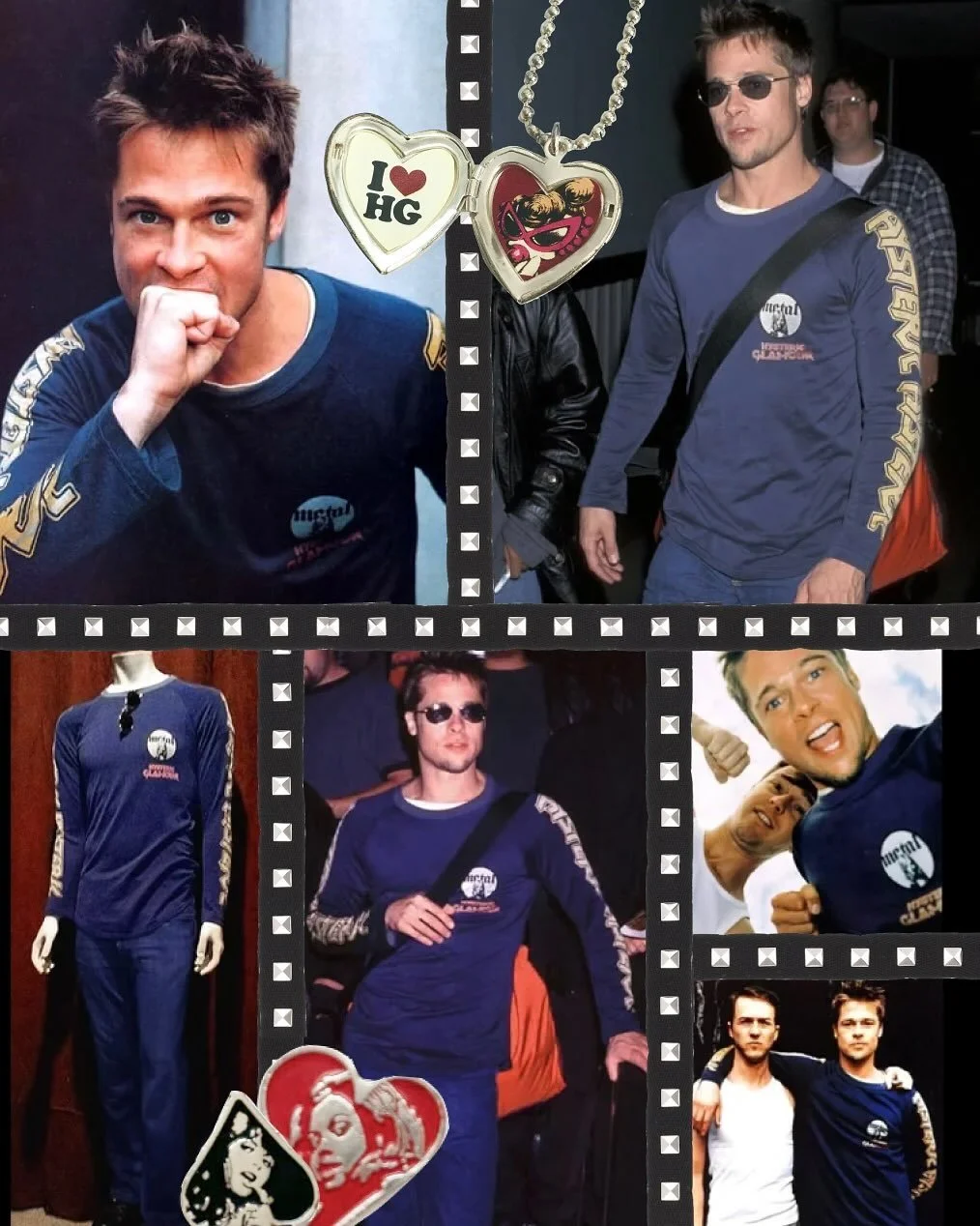

From Harajuku to Hollywood: The Celebrity Co-Sign
The brand’s raw energy quickly caught the attention of global icons who personified that same "unpolished" spirit. One of the label's most famous entries into the Western zeitgeist was its presence in the film Fight Club, but it was Brad Pitt’s personal wardrobe of long-sleeve graphic "Metal" tees that cemented the brand’s status as the ultimate "insider" label.
The aesthetic was further immortalized by Devon Aoki, the definitive face of the "Hysteric Girl" archetype in the late '90s. The brand’s deep ties to the music world were cemented through collaborations with Sonic Youth and a close friendship with Courtney Love, who famously wore Kitamura’s designs alongside Kurt Cobain. In the 2000s, Lindsay Lohan became the brand's paparazzi-era champion, and today, this archival obsession has come full circle, seen in the off-duty streetwear of Bella Hadid.
A Global Cultural Multiverse
In a fashion landscape often obsessed with the "new," Hysteric Glamour remains a vital reference point. From opening its first London store in 1991 to collaborating with the Andy Warhol Foundation and Supreme, Kitamura has built a cultural multiverse that spans art, photography, and film—even making a cameo in Sofia Coppola’s Lost in Translation. The brand’s longevity lies in its ability to remain both a historical archive and a contemporary necessity, proving that the most compelling style is born from the tension between heritage graphics and the sharp, defiant edge of the underground.
